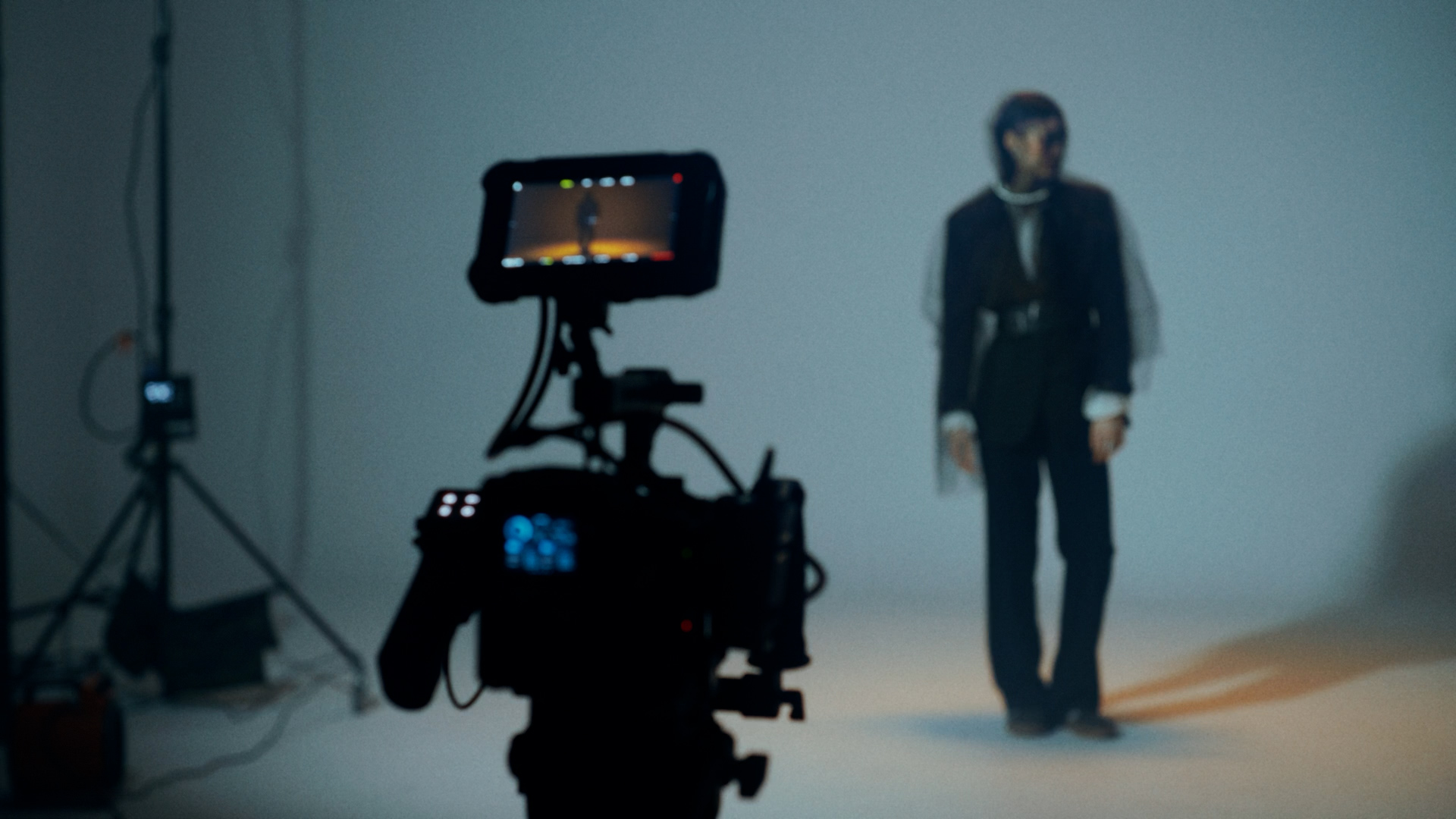
Most brands think performance comes down to quality.
Bigger sets.
Better gear.
More cinematic visuals.
But performance doesn’t come from production value alone.
It comes from alignment.
Alignment between:
Before performance metrics, before media strategy, before cutdowns — there’s brand truth.
If a video doesn’t feel authentic to the brand, audiences sense it immediately.
Authenticity isn’t accidental.
It comes from:
Some brands should feel polished and cinematic.
Some should feel raw, direct, conversational.
Some need both.
This is where many production conversations get skewed.
High-production brand films absolutely have value:
But in-platform content often performs differently — and sometimes better.
We’ve seen Instagram ads shot on iPhone outperform highly produced spots.
Not because they’re “better.”
They feel native.
They feel influencer-driven.
They feel immediate.
The opportunity isn’t choosing one or the other.
It’s knowing when to use both.
High-production builds brand perception.
Platform-native content drives engagement and response.
They serve different psychological triggers — and often different audiences.
Creating the video isn’t the finish line.
It’s the first data point.
After launch, performance tells the real story:
Sometimes the most beautiful edit underperforms.
Sometimes a raw variation wins.
That’s not failure. That’s feedback.
They test alternate hooks.
They A/B messaging.
They adjust.
They reallocate budget based on performance.
They optimize.
It’s not just aesthetics.
It’s not just authenticity.
It’s not just media buying.
It’s the integration of all three.
That’s how video becomes leverage. Not just something that looks good.
But something that performs — repeatedly.